- Crimps:
- Crimps are small holds that require a strong grip and precise hand placement.
- To hold a crimp, place your fingertips on the edge of the hold and curl your fingers inward to create a crimp shape.
- Make sure to keep your thumb pressed against your fingers to provide additional support and prevent injury.
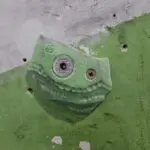
- Slopers:
- Slopers are large, rounded holds that require a more open-handed grip and a lot of body tension.
- To hold a sloper, place your hand on the hold and try to create as much surface area between your hand and the hold as possible.
- Keep your wrist and elbow straight to avoid strain and use your body weight to help maintain contact with the hold.
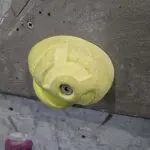
- Pinches:
- Pinches are holds that require you to pinch the sides of the hold with your fingers and thumb.
- To hold a pinch, place your fingers and thumb on opposite sides of the hold and squeeze your hand together.
- Make sure to keep your wrist straight and your fingers and thumb in a comfortable position to avoid injury.
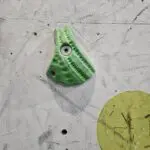
- Pockets:
- Pockets are small, rounded holds that require a specific hand placement and a strong grip.
- To hold a pocket, place your fingers inside the pocket and curl them slightly to create a grip.
- Keep your thumb pressed against your fingers to provide additional support and prevent injury.
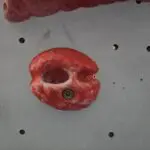
- Jugs:
- Jugs are large, easy-to-hold holds that are typically used for resting or transitioning between moves.
- To hold a jug, simply wrap your hand around the hold and apply pressure with your fingers and palm.
- Keep your wrist and elbow straight to avoid strain and maintain a secure grip.
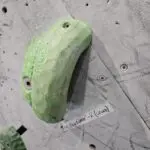
When holding any type of hold, it’s important to keep your body close to the wall and use your feet and legs to provide balance and support. Avoid over-gripping or twisting your wrist, and remember to take breaks if your hands or fingers start to feel sore or fatigued. With practice and proper technique, you can improve your grip strength and hold onto even the smallest of holds!